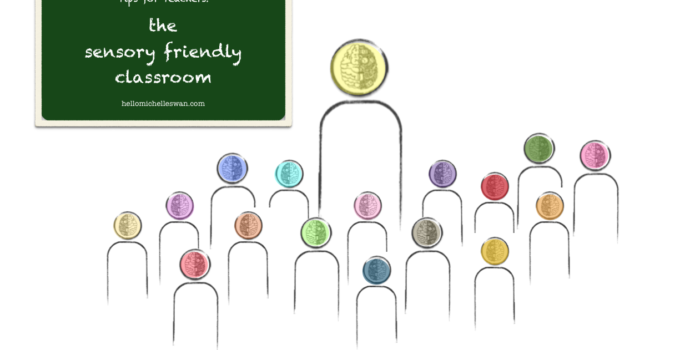
Effective communication minimises anxiety and frustration. Neurodivergent students have some specific communication needs. This graphic…
What is Autism?
The more I use the phrase “I am autistic” the more convinced I am that most people don’t know what I actually mean!
There are so many misunderstandings, myths and stereotypes about autism. Here is a basic explanation of what autism is…

Autism is a genetically inherited neurologically based disability,
in which the brain has variations in synaptic development,
characterised by high levels of connection with environment and experiences,
resulting in an intense sensory experience of the world,
and differences in receiving and processing information.
Autistic people are all different but there are some broad areas of experience that they share. These include differences in social communication and language processing; executive function challenges; interest based attention activation; sensory system needs; and adaptive behaviour strategies.
The diagnostic criteria for autism are all behavioural, even though autism is a neurotype. The behaviours used to identify autism are all normal human responses to distress and trauma. Every person diagnosed with autism is a traumatised autistic person. It is possible to be autistic and not meet the diagnostic criteria.
The medicalisation of autism has lead to some unhelpful myths and stereotypes about autism. Autistic people don’t need treatment or cure for autism, they need understanding and support so they can identify their needs and find strategies to meet their needs.
Strengths of an autistic neurology include: capacity for great attention to detail; intense focus on topics of interest; ability to recognise and identify patterns and trends; extraordinary creativity in problem solving and devising new strategies; persistence, tenacity and resilience in the face of challenge; tendency toward hyper-empathy and sensitivity to the feelings and needs of others; unique and innovative approach to ensuring own needs are met.

Related Posts